Why a Payment Gateway Is a Game-Changer for Your Ecommerce Sales
The single component of your checkout that decides whether a ready-to-buy customer actually completes the purchase
Nexovah Staff
27d ago · 9 min read
Key Takeaways
- Global cart abandonment averages over 70%, with mobile abandonment reaching nearly 80%.
- Limited payment options alone account for 13% of cart abandonments — a directly fixable problem.
- A complicated checkout experience causes 22% of shoppers to abandon their cart.
- Buy Now, Pay Later availability reduces abandonment by an average of 20% on orders over $100, and up to 29% for shoppers aged 18–34.
- PCI compliance and SSL encryption aren't optional — they're the baseline requirement for processing any online payment safely.
A Store Is Only as Good as Its Checkout
Having an online store is no longer enough on its own — the payment gateway sitting behind checkout is one of the biggest determinants of whether a ready-to-buy visitor actually becomes a paying customer.
The global cart abandonment rate averages over 70%, and mobile checkout abandonment specifically runs close to 80% — meaning checkout friction is one of the largest sources of lost ecommerce revenue today.
What a Payment Gateway Actually Does
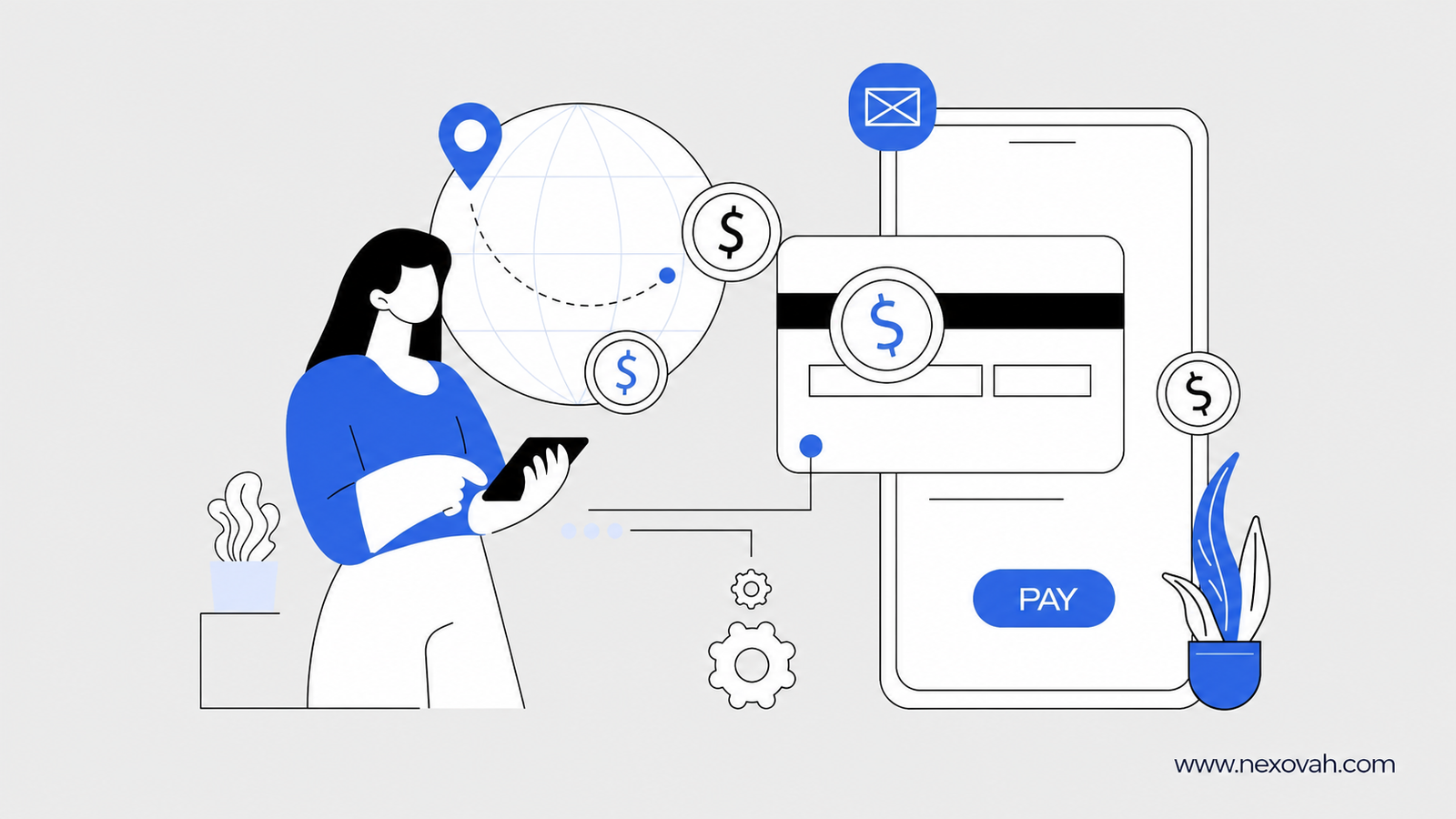
A payment gateway is the secure mechanism that accepts, processes, or declines an online payment. It connects the merchant, the customer, and the issuing bank, encrypting sensitive data throughout the entire transaction so the exchange stays secure end-to-end.
How a Payment Gateway Processes a Transaction
When a customer submits payment, the gateway seeks approval from the card company, the issuing bank, the receiving bank, and the connecting infrastructure between them — all within seconds, encrypted via SSL from the customer's browser to the merchant's server.
What to Look for in a Payment Gateway
- Gateway type — modern (no merchant account approval needed) vs. classic (direct merchant account application)
- Encryption standards protecting sensitive payment data end-to-end
- Compatibility with your existing website and checkout flow
- Processing speed — from checkout to fund realization
Why Payment Gateways Are Vital for Online Businesses
Beyond fraud protection, a payment gateway is now a direct conversion lever.
Extra costs at checkout cause 48% of abandonments, a complicated checkout process causes 22%, and limited payment options alone account for 13% — all problems a well-chosen payment gateway directly addresses.
The Rise of Buy Now, Pay Later
BNPL availability at checkout has become a measurable conversion lever in its own right.
Buy Now, Pay Later availability reduces cart abandonment by an average of 20% on orders exceeding $100 — and by as much as 29% for shoppers aged 18–34.
Popular International Payment Gateways
- PayPal — available in 200+ countries, automatic currency conversion
- Stripe — fast setup, embedded checkout, no bank redirection
- Authorize.Net — trusted, broad payment method support
- Braintree — owned by PayPal, strong fraud protection tools
- 2Checkout — broad international coverage, localized checkout
- PayU — strong presence in emerging markets
- WorldPay — used in roughly 120 countries, multi-currency support
Hosted vs. Integrated Payment Gateways
| Type | How It Works | Trade-off |
|---|---|---|
| Hosted | Redirects customer to a separate, PCI-approved payment platform | Very secure, but can slow down the payment process |
| Integrated | Uses the website's own API — no redirection | Faster, more seamless, but website bears data-security responsibility |
The Bottom Line
With cart abandonment sitting above 70% industry-wide, the payment gateway isn't a background technical detail — it's one of the highest-leverage places to protect revenue that's already been earned by getting a shopper to checkout in the first place.
FAQ
Global cart abandonment averages over 70%, with mobile checkout abandonment reaching close to 80% — making checkout optimization a major revenue opportunity.
Published in The Nexovah Blog
Written by Nexovah Staff