Top 12 Reasons Why Businesses Need SSL Security for Their Websites
From SEO rankings to GDPR compliance, the full business case for SSL beyond basic encryption
Nexovah Staff
27d ago · 9 min read
Key Takeaways
- SSL is a confirmed Google ranking factor — encrypted sites are favored in search results over unencrypted ones.
- A visible SSL padlock and HTTPS prefix directly builds user trust and credibility at first glance.
- SSL encryption is essential infrastructure for any site processing payments or sensitive user data.
- SSL helps meet data protection regulations like GDPR, which require safeguarding user data.
- A secure browsing experience measurably encourages return visits and higher engagement.
SSL Is Foundational Infrastructure, Not an Add-On
SSL (Secure Sockets Layer) encrypts the connection between a visitor's browser and your website, keeping sensitive information confidential. For any modern business site, it's no longer optional — here are 12 concrete reasons why.
1. Protects User Data
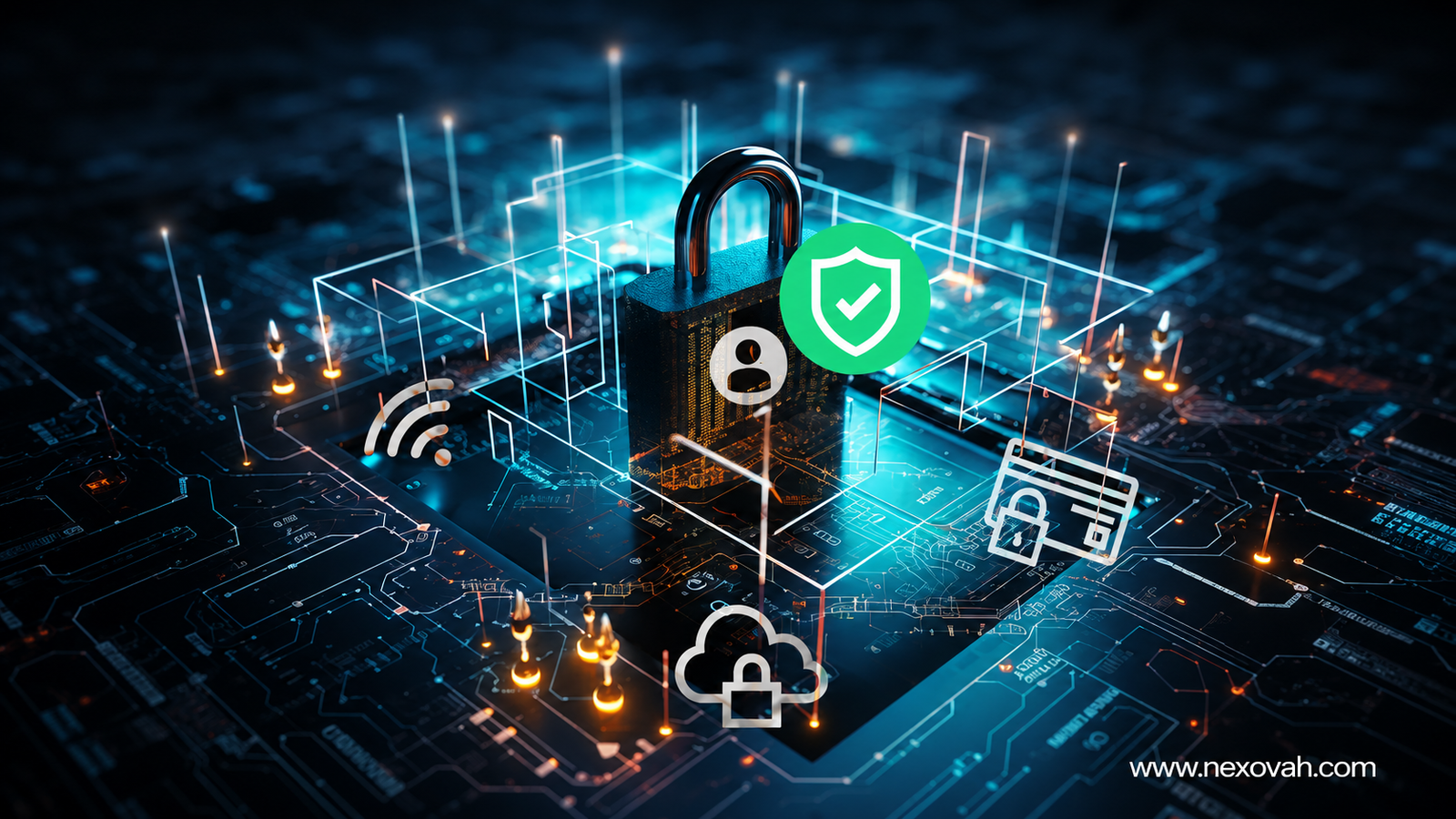
SSL encryption ensures login credentials, personal details, and payment information remain unreadable even if intercepted during transmission.
2. Builds Trust and Credibility
The padlock icon and "https" prefix are now a baseline visual signal that a site takes security seriously — its absence is increasingly a red flag to visitors.
3. Boosts SEO Rankings
SSL has become a confirmed ranking factor for search engines. Sites with encryption are favored in search results, directly linking website security to organic visibility.
4. Prevents Data Breaches
Encrypting sensitive data in transit reduces the risk of valuable information falling into the wrong hands — a direct defense against the financial and reputational cost of a breach.
5. Enables Secure Online Transactions
For ecommerce specifically, SSL protects credit card details and other payment data during checkout — a non-negotiable requirement for customer confidence and completed sales.
6. Protects Against Phishing Attacks
SSL certificates verify a website's authenticity, giving users visual cues that distinguish legitimate sites from phishing attempts designed to steal their information.
7. Ensures Data Integrity
Encryption algorithms create a digital signature for transmitted data, letting both parties verify it hasn't been tampered with in transit.
8. Supports Mobile Compatibility
As mobile traffic continues to dominate, SSL ensures mobile users get the same secure browsing experience as desktop visitors.
9. Meets Compliance Requirements
Regulations like GDPR require businesses to actively protect user data — SSL encryption is a core, expected component of meeting that obligation.
10. Enhances Website Performance
Modern SSL protocols are optimized for efficient data transmission, contributing to faster, smoother load times rather than slowing a site down.
11. Encourages Return Visits
A secure experience builds the confidence that brings visitors back — repeat traffic that compounds into higher conversions and a more loyal customer base over time.
12. Future-Proofs the Website
As security threats and standards continue evolving, SSL adoption signals a genuine, ongoing commitment to staying ahead of them rather than reacting after the fact.
SSL as a Baseline Requirement
SSL security touches SEO, trust, compliance, and performance simultaneously — making it one of the highest-leverage, lowest-cost investments a business website can make.
FAQ
Yes — SSL has become a confirmed ranking factor, with search engines favoring encrypted sites in results over unencrypted ones.
Published in The Nexovah Blog
Written by Nexovah Staff